
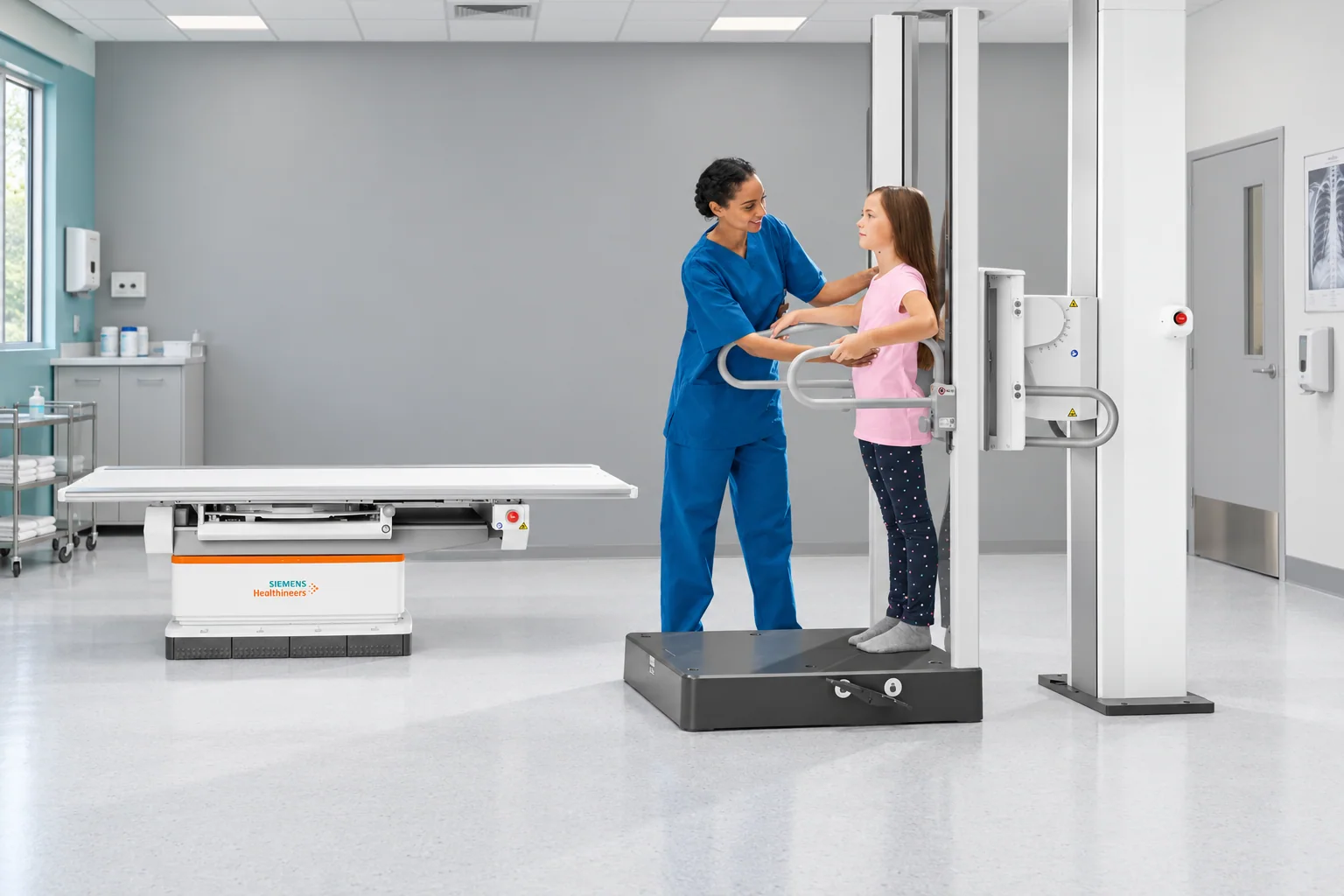
Diagnostic Imaging
MRI, CT, ultrasound, X-ray, mammography, angiography and surgical C-arms.
Overview
NSONS supplies diagnostic imaging to hospitals and institutions across Pakistan, with installation, biomedical service and spare-parts support through our branch network.
Related
Procurement support
Specification review, tender documentation and bill-of-quantities response.
Tender supportConnect the scanner to the reporting workflow.
Include image-review workstations, connectivity and operator familiarisation in the imaging brief.
Discuss imaging requirements
Imaging modalities
Each modality is specified differently. These pages cover what actually drives the decision.
MRI Machines
Magnetic resonance imaging systems for hospitals and diagnostic centres.
View modalityCT Scanners
Computed tomography systems from routine diagnostic to photon-counting.
View modalityUltrasound Systems
Trolley-based and portable ultrasound for radiology, cardiology and obstetrics.
View modalityX-Ray & Radiography
Fixed, mobile and robotic radiography systems.
View modalityMammography Systems
Digital mammography and tomosynthesis for screening and diagnostic imaging.
View modalityAngiography & Cath Lab
Interventional imaging for cardiac and vascular catheterisation laboratories.
View modalityC-Arms & Surgical Imaging
Mobile C-arms and fluoroscopy for theatre, orthopaedics and endo-urology.
View modalityMolecular Imaging & PET/CT
PET/CT and nuclear medicine for oncology and theranostics.
View modalityPlan the workflow before selecting the modality
Build the imaging brief around the department’s intended examination mix, booked slots, opening hours and referral workflow. Separate system capability from the capacity the room and staff can actually deliver.
What to include in the buying brief
- Modality and clinical application
- booked activity by examination type
- room and patient access
- reporting and PACS integration
- compatible accessories
- installation and service scope.
Ask for a complete offer
A model-specific configuration, site-planning pack, interface schedule, commissioning scope and training plan.
Keep the exact model or catalogue reference, purchasing quantity and delivery destination on each line. Compare included accessories, setup tasks and recurring items alongside the headline price. A unit price becomes more useful when the quotation also states the purchasing pack, lead time and the records expected at delivery.
Plan handover and replenishment together
Identify who will receive the equipment or supplies and who will retain the asset, lot or expiry records. For equipment, connect operator training and service responsibilities to the delivered configuration. For routine items, use actual consumption and usable stock to plan the next order.
Imaging booking capacity planner provides a transparent worksheet for this planning step.
Imaging equipment in context

Imaging booking capacity planner
Move the sliders to plan your requirement. Use hospital records or quoted costs for your purchasing discussion.
k = thousand; m = million; b = billion.
Your estimate
Adjust the figures for your requirement.
Take the estimate with you
How this estimate is calculated
Daily capacity per system = opening hours × 60 × productive utilization % ÷ average exam slot minutes. Capacity equivalents = ceiling(planned exams ÷ daily capacity).
Slot time includes the booking workflow your department chooses, such as preparation and room turnover. This does not set acquisition protocols or clinical scan time. Staffing, case mix, maintenance and site constraints require separate scheduling.
Initial figures are an illustrative example. Adjust them to your requirement before discussing a purchase.
Request a quotation
Send your specification, bill of quantities or tender document. Our team responds with a formal quotation and availability.