
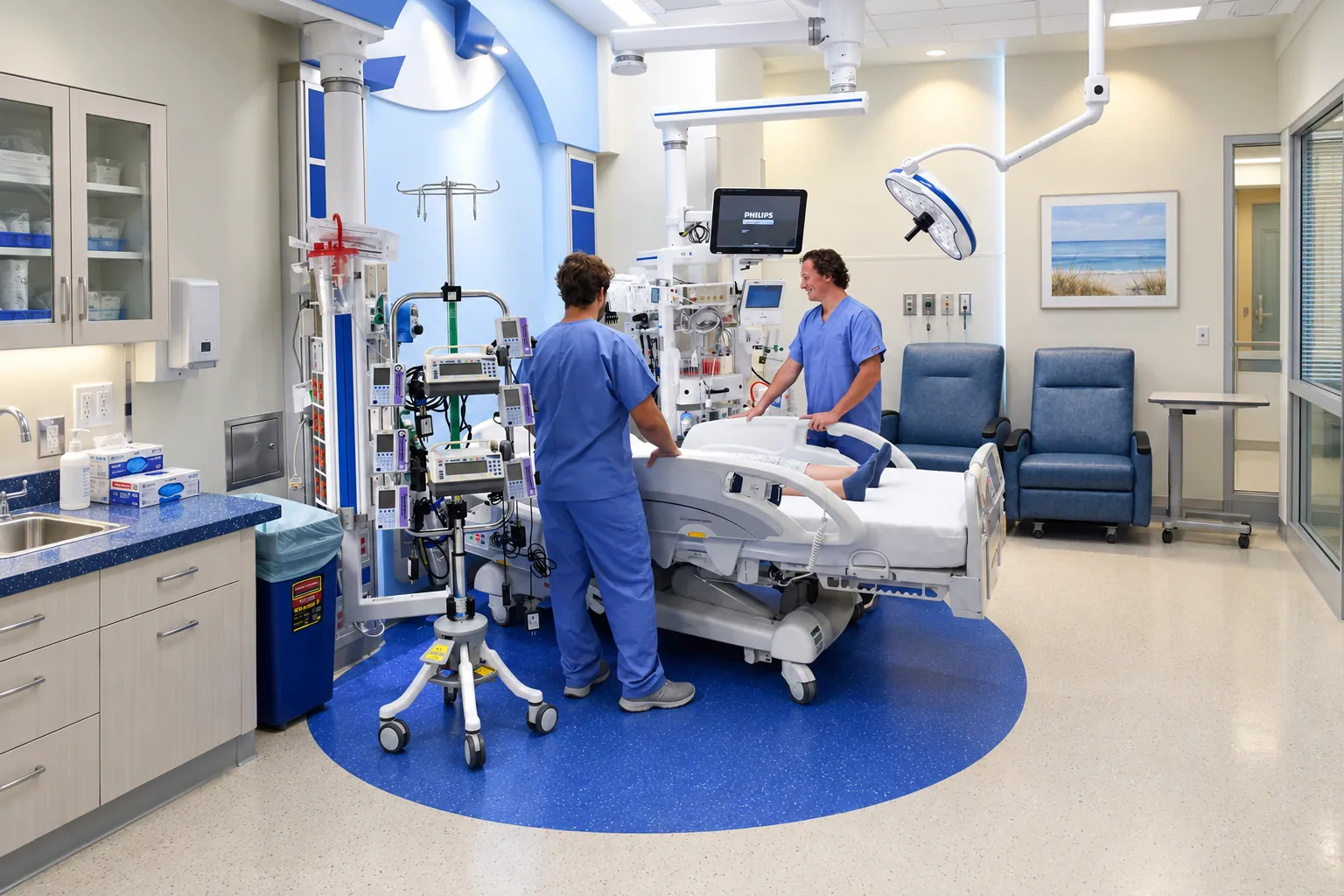
Biomedical Service & Maintenance
AMC and CMC contracts, preventive maintenance and repairs.
A maintenance programme starts with the asset register
Give each system a traceable record: manufacturer, model, serial number, location, installation date, warranty status, service history and the department responsible for it. Record accessories and software configuration where they affect maintenance. A complete inventory lets the hospital connect planned inspections, repair requests, replacement decisions and spare-parts demand to the same asset.
Prioritize the programme using the equipment’s role, operational condition, manufacturer instructions and the hospital’s risk assessment. Preventive maintenance, safety checks and corrective repairs are related activities, but they should remain distinguishable in the schedule and service record.
Plan the work and the evidence
| Workstream | Planning question | Useful output |
|---|---|---|
| Preventive maintenance | What tasks and intervals apply to this exact model? | Asset-level schedule and completed task sheets. |
| Performance and safety checks | Which checks, instruments and acceptance criteria are required? | Results, instrument references and next due dates. |
| Corrective service | What fault was reported, diagnosed and resolved? | Fault history, replaced parts and return-to-service record. |
| Obsolescence planning | Are parts, software and technical support still available? | Repair-versus-replacement review and procurement priorities. |
Separate response time from restoration time
A response commitment describes when a request is acknowledged or an engineer attends. Restoration depends on diagnosis, parts, access and the work needed to return the system to service. Compare both definitions when reviewing a service offer. Also agree the reporting channel, escalation contacts, working hours and the information required with a fault report.
A useful request includes the asset identifier, location, displayed error, observed symptoms and the last known working condition. Record the system’s operational status and the hospital contact who can arrange access. Keep patient-identifying information out of the procurement or maintenance enquiry.
AMC or CMC: compare the written scope
An Annual Maintenance Contract commonly focuses on planned maintenance and agreed service work; a Comprehensive Maintenance Contract can include specified replacement parts. The actual schedule controls the coverage. List major components, probes, batteries, accessories, consumables, software, travel and external damage explicitly rather than relying on the contract label.
Compare the asset list, visit frequency, coverage hours, exclusions, parts approval process and reporting requirements on equivalent terms. The AMC and CMC calculator combines quoted fees with hospital-defined parts and downtime scenarios.
Make service performance measurable
- Track due and completed preventive visits by asset.
- Record fault reporting, attendance and restoration timestamps separately.
- Retain parts identifiers and the reason for each replacement.
- Review repeat faults and unresolved items with the department owner.
- Use service history when preparing the next maintenance or replacement budget.
The workload calculator below estimates annual hours from your asset list. It helps size a service programme; shift coverage and specialist skills remain separate decisions.
Planning reference: WHO healthcare technology inventory and maintenance management.
Keep equipment care connected to daily use.
Bring asset records, planned maintenance and operator questions into one service brief.
Discuss a maintenance programme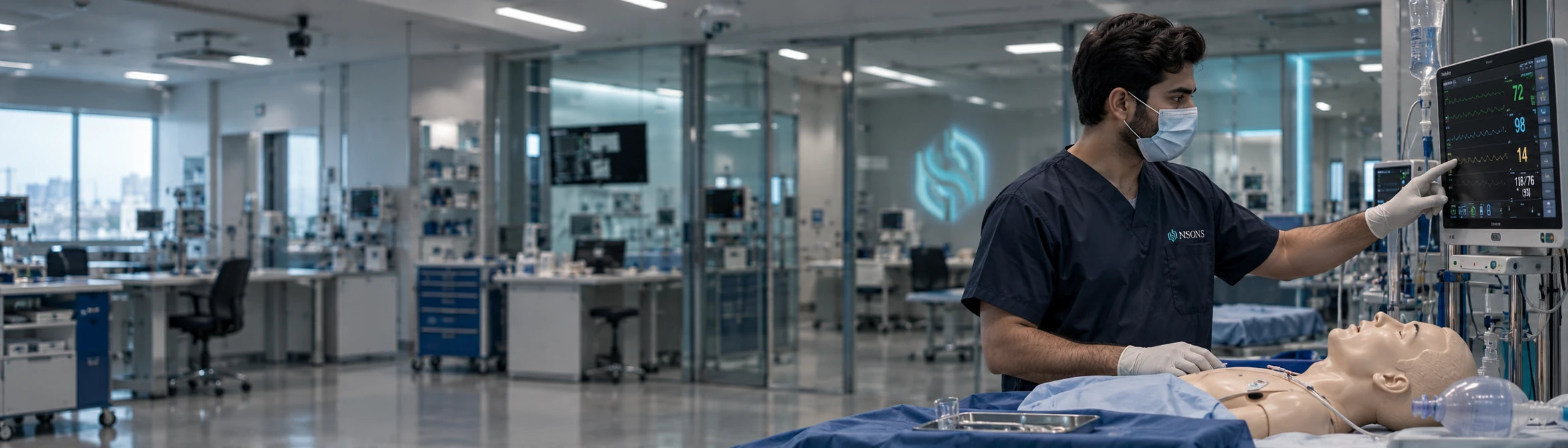
Biomedical service workload
Move the sliders to plan your requirement. Use hospital records or quoted costs for your purchasing discussion.
k = thousand; m = million; b = billion.
Your estimate
Adjust the figures for your requirement.
Take the estimate with you
How this estimate is calculated
Preventive hours = assets × visits per year × hours per visit. Total hours = preventive hours + corrective hours. Capacity equivalent = total hours ÷ productive annual hours per engineer.
Productive capacity excludes leave, travel, administration and other duties. FTE is an arithmetic workload equivalent; roster coverage, skill mix and emergency availability are separate planning decisions.
Initial figures are an illustrative example. Adjust them to your requirement before discussing a purchase.
Request a quotation
Send your specification, bill of quantities or tender document. Our team responds with a formal quotation and availability.