
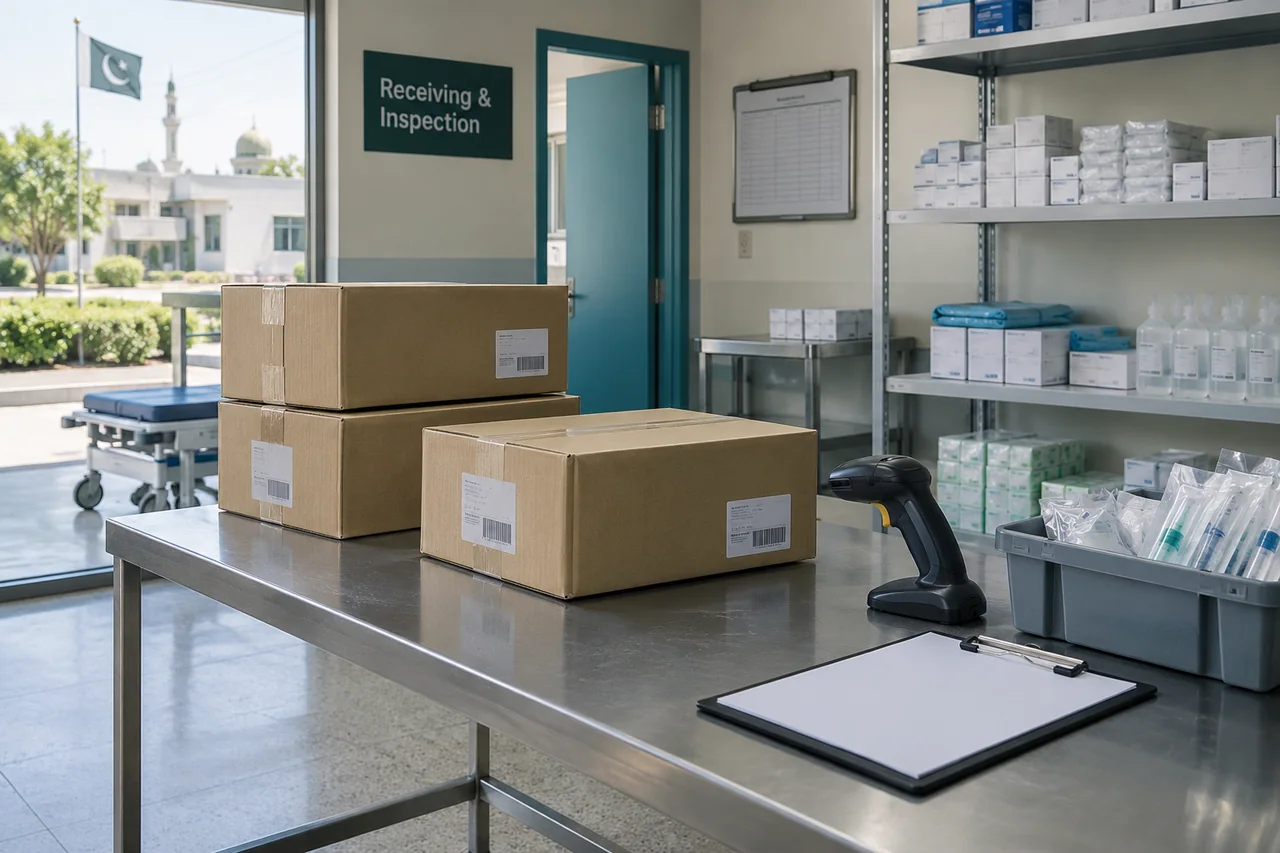
Quality begins with the right product requirement
The corporate profile expresses NSONS’ commitment through medical technology, branded products, customer support and the work of its people. For a healthcare purchaser, that commitment becomes practical through clear product identification, complete documentation and a defined scope of support.
Equipment, devices and pharmaceutical purchases involve different records and receiving conditions. The enquiry should identify the product or model, the offered configuration, the purchasing unit and the documentation required by the institution.
Product identity and traceability
Equipment records
Connect the manufacturer and model reference on the accepted offer with the delivered system, accessories and handover documentation. Serial numbers and asset records provide the link between the installation, service history and later parts enquiries.
Devices and consumables
Review the manufacturer item reference, pack size, compatibility and the receiving condition of the package. Where applicable, batch or lot information and expiry details connect the delivered supply with the hospital’s stores records.
Pharmaceutical supply
Use the approved product reference, presentation and pack size in the purchase schedule. Receiving teams can then connect the delivered item with batch, expiry, storage requirements and the institution’s inventory process.
A document set that follows the purchase
| Stage | Documents to include in the requirement |
|---|---|
| Technical review | Manufacturer data, model and configuration, compatibility information, offered specification and relevant product-specific regulatory documents |
| Commercial review | Itemised price, purchasing unit, quantity, delivery schedule, warranty and service scope |
| Delivery and receiving | Delivery record, item identity, quantity, serial or batch information where applicable, package and storage condition |
| Equipment handover | Installation and acceptance records, operating information, training record and asset details |
| Continuing support | Service agreement, maintenance schedule, service history and compatible parts references |
The document set is specific to the product and purchasing engagement. Include the hospital’s required evidence in the enquiry so technical and commercial teams can evaluate the same offered scope.
Equipment care is part of the quality discussion
The SYS-CARE programme described in the profile focuses on keeping equipment operating through its service life. Service planning brings together preventive maintenance, troubleshooting, parts availability and the responsibilities in the agreement.
Technical and clinical training covers functional concepts, operation, calibration, troubleshooting and preventive maintenance. Handover is more useful when both the users and the biomedical team understand the equipment configuration and where to find the operating and service records.
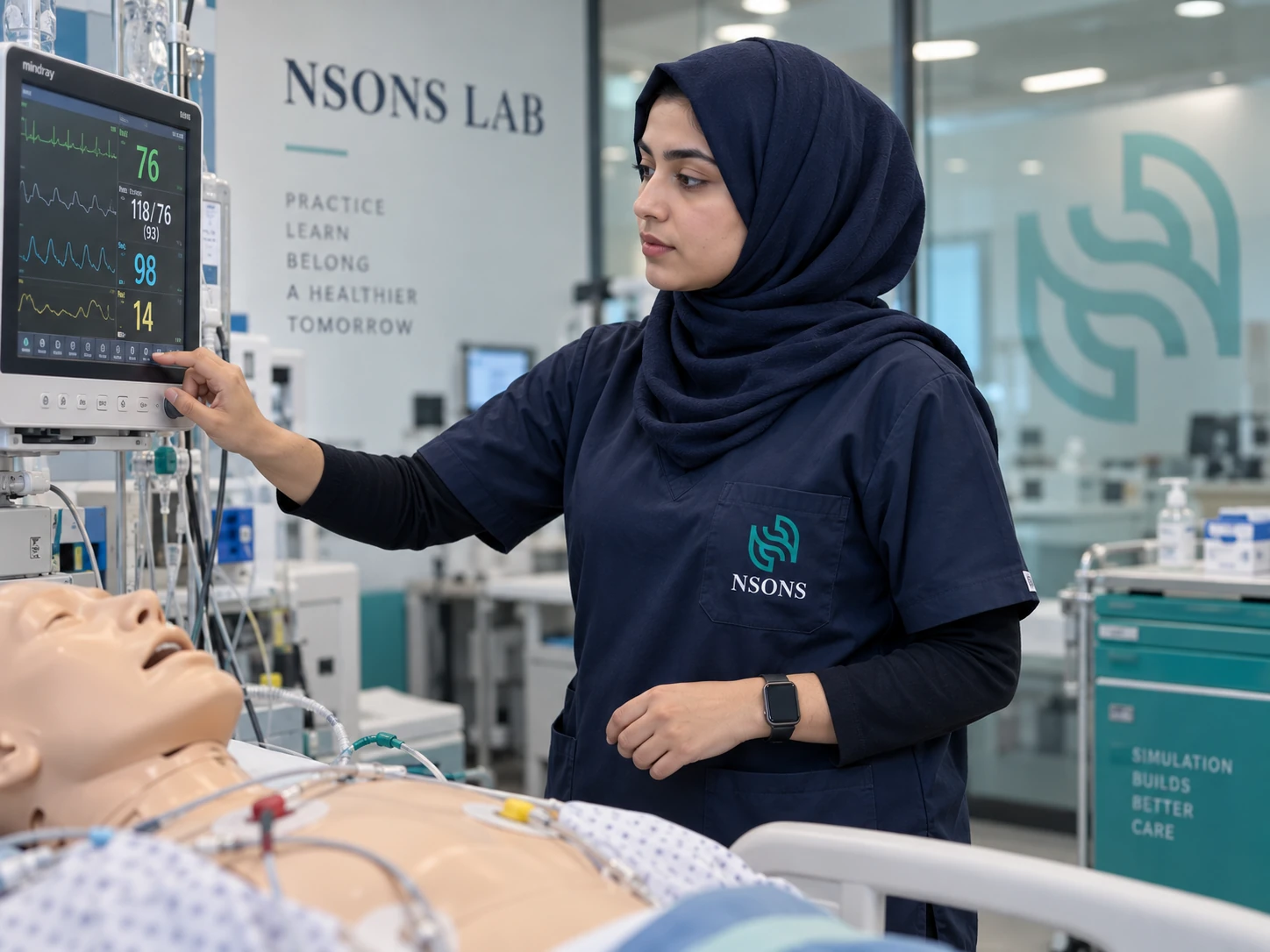
Plan the complete scope
A purchase can include equipment, enabling works, accessories, training, warranty, service and recurring supplies. Keeping these lines separate makes it easier to see what is included in an offer and what must be arranged by the institution.
The lifecycle cost worksheet supports that discussion with the institution’s own acquisition, operating and residual-value figures. AMC and CMC planning compares quoted service scope, expected parts expenditure and downtime assumptions.